The Research Behind Better Business Outcomes
Across industries and disciplines, the research points to the same truth: environment shapes how people spend, what they feel, and how they function.
-
Customers are willing to pay up to a 16% price premium for a superior experience, and 65% of U.S. customers find a positive experience with a brand more influential than great advertising
In outpatient clinics, the physical environment, pleasure, and satisfaction explained 50% of repeat-visit intention and 31% of recommendation intention.
Up to 1 in 5 people are neurodivergent in the United States. 77% report sound sensitivity and 62% report visual sensitivity.
In general-practice clinics, ambiance, interior décor, cleanliness, and service delivery significantly shaped patient trust and satisfaction, which then predicted return visits, word-of-mouth, and willingness to pay a premium.
Across 64 ambient scent studies, pleasant scent increased customer responses by 3%–15% on average and increased spending by about 3% in an average setting
-
Employee Productivity: Organizations that support mental and nervous system health see a return of $4 for every $1 invested.
Cost Avoidance: Burnout costs a 1,000-employee company roughly $5 million annually
A workplace lighting intervention improved concentration by 36.8%, self-rated work performance by 19.4%, and alertness by 28.1%.
33% of workers say office design affects whether they would choose to work for a company.
Teams with high employee engagement are 23% more profitable than those with low engagement.
Adding plants to a previously sparse office increased productivity by 15%
Office workers with the best window views processed calls 6%–12% faster than workers with no view.
In a Harvard controlled study, cognitive scores were 61% higher in green-building conditions and 101% higher with enhanced ventilation than in conventional office conditions.
A three-week nature-based workplace intervention reduced burnout by 14.9%, lowered cortisol by 29.3%, and improved visual processing speed by 7.4%.
-
Research confirms that variation in interior design ( including color and layout ) directly affects heart rate, stress levels, and task performance through the autonomic nervous system
Natural elements in interior spaces activate the parasympathetic nervous system, resulting in lower heart rate, blood pressure, and cortisol levels, promoting relaxation and reducing stress.
Color alone has a profound effect on human physiology - activating or calming the sympathetic nervous system, altering breathing, heart rate, and brain wave activity
In a randomized crossover study, interacting with indoor plants lowered diastolic blood pressure from 71.75 mmHg to 65.26 mmHg and also reduced sympathetic nervous system activity (p = 0.021)
During normal daily life, every 5 dB(A) increase in daytime noise below 65 dB(A) was linked to a 1.48% increase in heart rate.
-
86% of buyers are willing to pay more for a great customer experience, and 32% will walk away after a single bad one.
75% of customers would pay more for a premium experience - rising to 84% when the experience involves flying or hospitality.
A study of 218 U.S. consumers found that exposure to high-luxury interior colors significantly increased perceived store luxury, which in turn increased felt pleasure and arousal; directly improving store preference.
When luxury amenities were present in hotel rooms, guests estimated the room rate at an average of $230 versus $194 for standard amenities; and approximately 40% of guests expressed willingness to pay extra for a luxury upgrade.
-
Ai, Y., et al. (2022). Determinants of patients’ satisfaction and trust toward healthcare service environment in general practice clinics. Frontiers in Psychology, 13, 856750. doi:10.3389/fpsyg.2022.856750.
Allen, J. G., MacNaughton, P., Satish, U., Santanam, S., Vallarino, J., & Spengler, J. D. (2016). Associations of Cognitive Function Scores with Carbon Dioxide, Ventilation, and Volatile Organic Compound Exposures in Office Workers: A Controlled Exposure Study of Green and Conventional Office Environments. Environmental Health Perspectives, 124(6).
Chisholm, D., Sweeny, K., Sheehan, P., Rasmussen, B., Smit, F., Cuijpers, P., & Saxena, S. (2016). Scaling-up treatment of depression and anxiety: A global return on investment analysis. The Lancet Psychiatry, 3(5), 415–424.
Cho, J. Y., & Lee, E. J. (2017). Impact of interior colors in retail store atmosphere on consumers' perceived store luxury, emotions, and preference. Clothing and Textiles Research Journal, 35(1).
Coburn, A., Vartanian, O., & Chatterjee, A. (2017). Psychological and neural responses to architectural interiors. PubMed / National Library of Medicine.
Daniels, S., et al. (2022). Introducing nature at the work floor: A nature-based intervention to reduce stress and improve cognitive performance. International Journal of Hygiene and Environmental Health, 240, 113884.
Doyle, N. (2020). Neurodiversity at work: A biopsychosocial model and the impact on working adults. British Medical Bulletin, 135(1), 108–125.
Frontiers in Virtual Reality. (2025). Investigating the role of biophilic design to enhance comfort in residential spaces: Human physiological response in immersive virtual environment.
Gallup. (2020). State of the Global Workplace: 2020 Report. Gallup Press.
Han, H., Ariza-Montes, A., Giorgi, G., & Lee, S. (2020). Utilizing Green Design as Workplace Innovation to Relieve Service Employee Stress in the Luxury Hotel Sector. International Journal of Environmental Research and Public Health, 17(12), 4527. doi:10.3390/ijerph17124527.
Heschong, L., Saxena, M., Wright, R., Okura, S., & Aumann, D. (2004). Offices, Windows and Daylight: Call Center Worker Performance. ACEEE Summer Study on Energy Efficiency in Buildings.
HOK & Tarkett. (2022, April 28). HOK, Tarkett survey offers new insights for neurodiverse workplaces.
Interface. (2015). Global Study Connects Levels of Employee Productivity and Well Being to Office Design (Human Spaces report / press release).
Kim, J., & Kim, J. (2024). Relationship between psycho-physiological indicators and task performance under various indoor space designs. PMC / National Library of Medicine.
Kraus, U., Schneider, A., Breitner, S., Hampel, R., Rückerl, R., Pitz, M., Geruschkat, U., Belcredi, P., Radon, K., Peters, A., & Cyrys, J. (2013). Individual daytime noise exposure during routine activities and heart rate variability in adults: a repeated measures study. Environmental Health Perspectives.
Lee, M., Lee, J., Park, B. J., & Miyazaki, Y. (2015). Interaction with Indoor Plants May Reduce Psychological and Physiological Stress by Suppressing Autonomic Nervous System Activity in Young Adults: A Randomized Crossover Study. Journal of Physiological Anthropology, 34, 21.
Martinez, M. F., O’Shea, K. J., Kern, M. C., Chin, K. L., Dinh, J. V., Bartsch, S. M., Weatherwax, C., Velmurugan, K., Heneghan, J. L., Moran, T. H., Scannell, S. A., John, D. C., Shah, T. D., Petruccelli, S. A., White, C., Dibbs, A. M., & Lee, B. Y. (2025). The health and economic burden of employee burnout to U.S. employers. American Journal of Preventive Medicine, 68(4), 645–655.
Mattila, A. S., & Wirtz, J. (2001). Do luxury room amenities affect guests' willingness to pay? Journal of Hospitality Research.
Mills, P. R., Tomkins, S. C., & Schlangen, L. J. M. (2007). The effect of high correlated colour temperature office lighting on employee wellbeing and work performance. Journal of Circadian Rhythms, 5, 2. doi:10.1186/1740-3391-5-2.
PwC. (2018). Experience is everything: Here's how to get it right. PwC Consumer Intelligence Series.
Qualtrics XM Institute. (2023). 75% of customers would pay more for a premium experience.
Ratcliffe, E., Baxter, W. L., & Martin, N. (2024). The role of ritual communication in consumption: A consumer coffee experience. International Journal of Food Design, 9, Article 219. doi:10.1386/ijfd_00067_1
Rauf, A., Muhammad, N., Mahmood, H., Yen, Y. Y., Rashid, M. H., & Naseem, W. (2024). Role of servicescape in patients’ clinic care waiting experience: Evidence from developing countries. PLOS ONE, 19(10), e0311542. doi:10.1371/journal.pone.0311542.
Roschk, H., & Hosseinpour, M. (2020). Pleasant Ambient Scents: A Meta-Analysis of Customer Responses and Situational Contingencies. Journal of Marketing, 84(1), 125–145. doi:10.1177/0022242919881137.
Seppänen, O., Fisk, W. J., & Lei, Q. H. (2006). Room temperature and productivity in office work. Healthy Buildings 2006, 243–247.
Vohs, K. D., Wang, Y., Gino, F., & Norton, M. I. (2013). Rituals enhance consumption. Psychological Science, 24(9), 1714–1721. doi:10.1177/0956797613478949.
Before your client reads your menu, hears from your team, or makes a single decision, their body has already formed an impression of your business.
There’s sensory information crucial to business experience the body picks up in milliseconds.
-
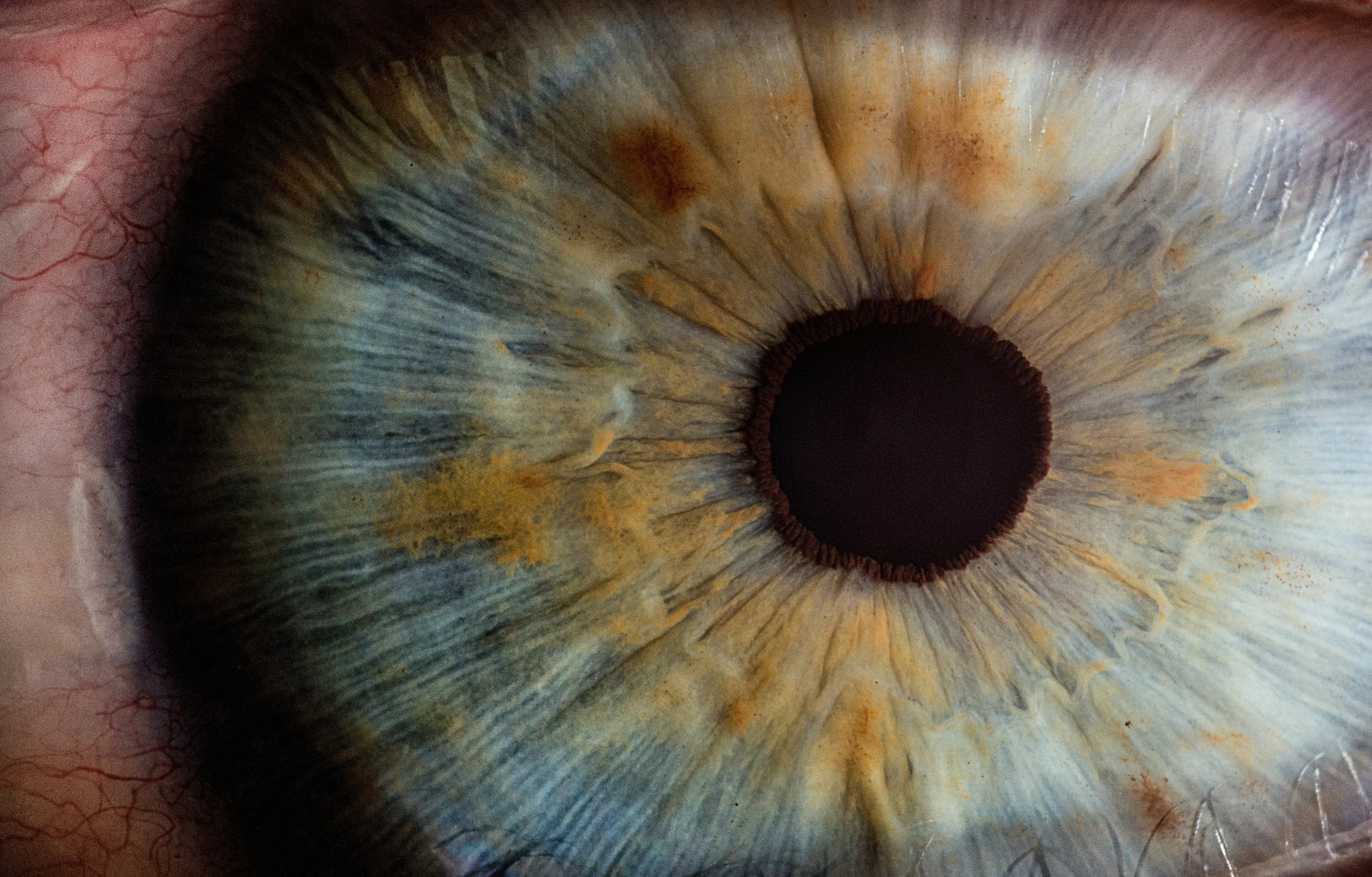
![Close-up of a human eye showing the iris with various colors and the dark pupil in the center.]()
SIGHT
Processes color, light, and proportion in milliseconds - signaling safety or threat before a thought forms.
-
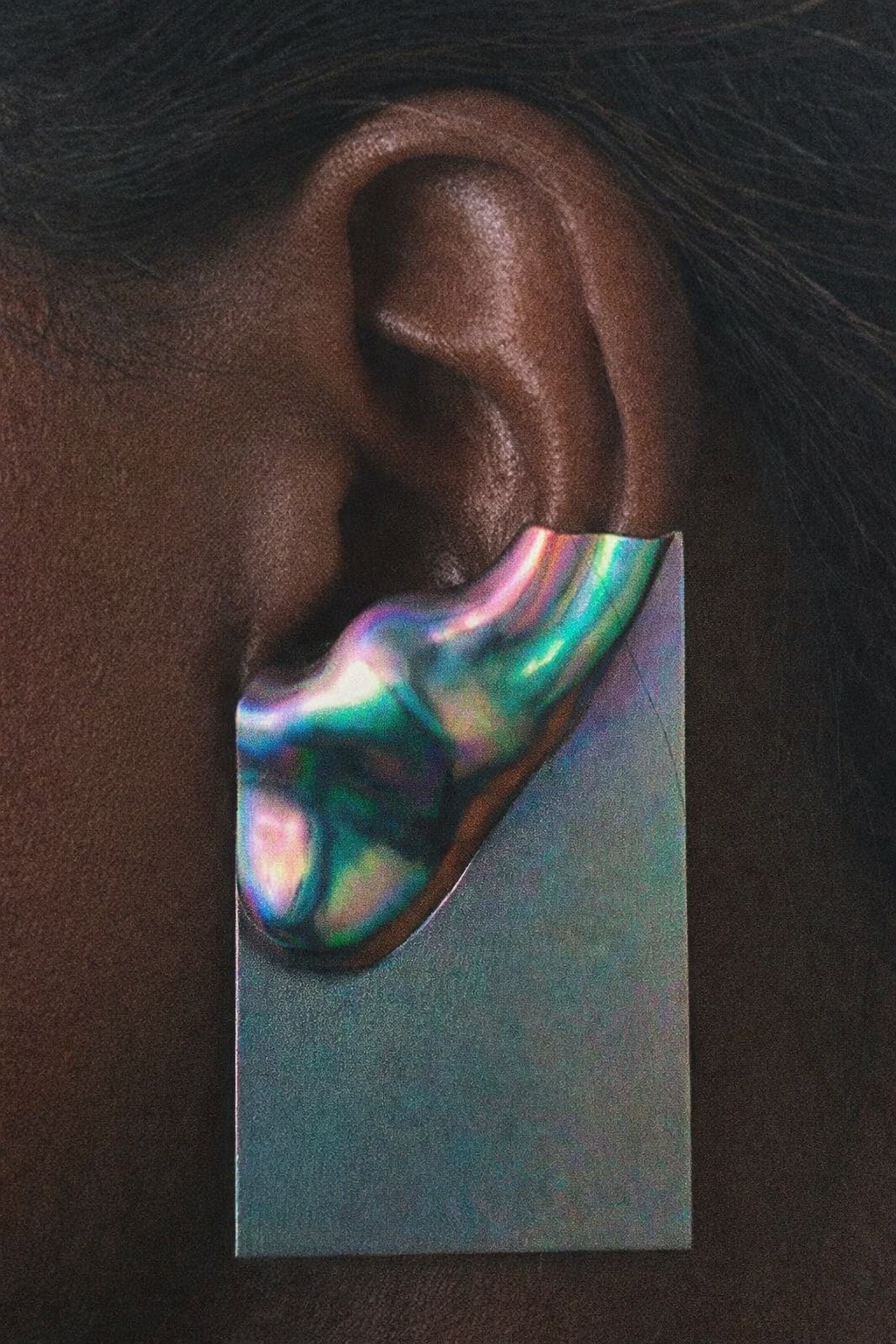
![A close-up of a person's ear with a holographic sticker shaped like an ear placed on the earlobe.]()
SOUND
Shapes how long people stay, how much they spend, and how they remember the experience afterward.
-
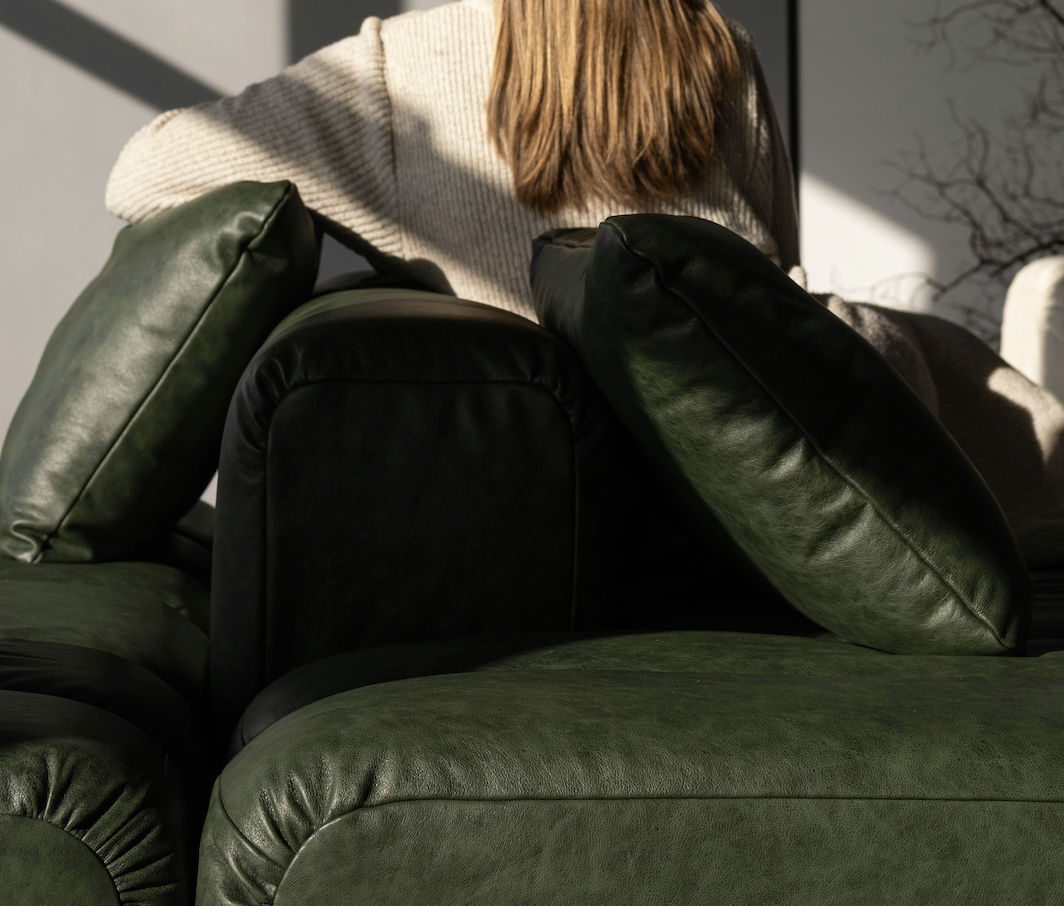
![Close-up of a green leather sofa with pillows and a person with brown hair sitting behind it.]()
TOUCH
Communicates care, or its absence, through every surface a guest encounters - fabric, hardware, flooring, furniture.
-
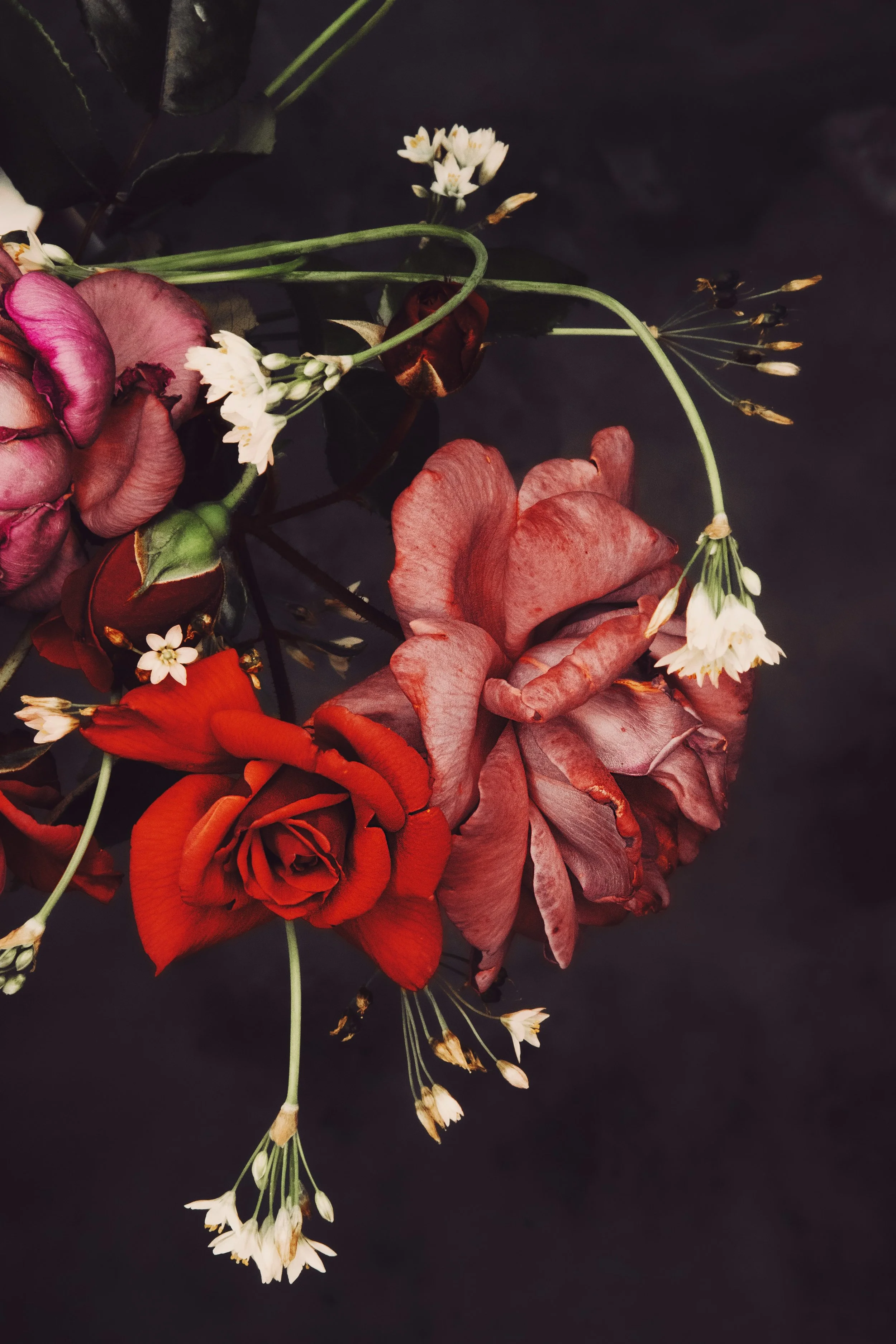
![A floral arrangement with red, pink, and orange roses, small white flowers, and dark green leaves on a dark background.]()
SCENT
Bypasses the rational mind entirely, traveling directly to the limbic system - the seat of emotion, memory, and trust.
-
![A wooden sauna interior with a sauna heater filled with dark stones at the base, emitting steam through a vent near a window.]()
TEMPERATURE
Regulates whether the body reads an environment as welcome or threatening before the mind decides.