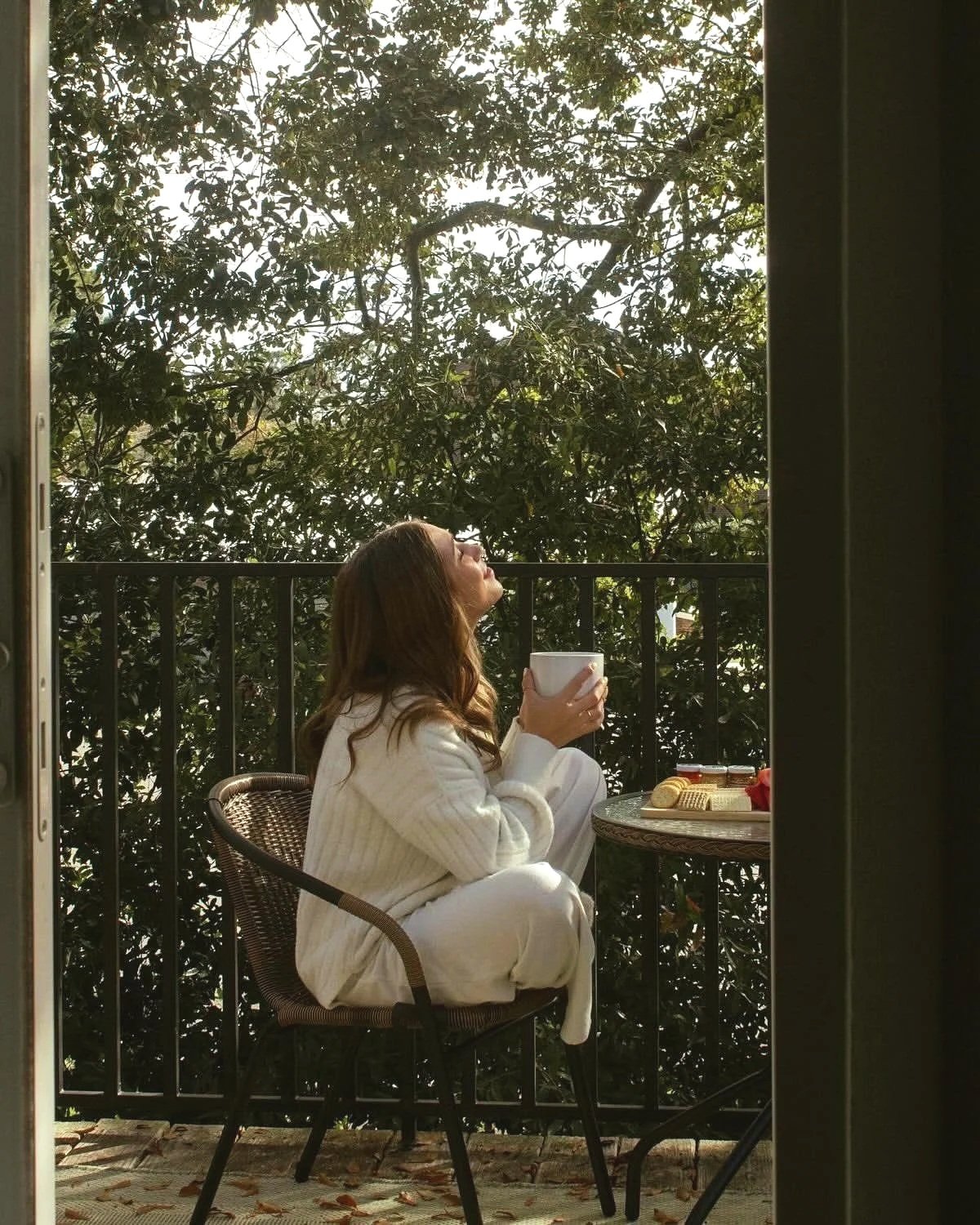
There is a specific feeling a place gives you when it’s designed for the people inside it.
You've felt it. Walking into a restaurant and immediately knowing you'll come back. A hotel lobby that made you exhale. A spa where the experience began the moment you opened the door, and you know for certain you’ll be back.
That feeling is not accidental. It is by design.


Just like with humans, beauty is a real advantage. A beautiful space can create desire, trust, and an immediate sense of possibility. The nervous system, however, is carefully evaluating things far beyond what the eye can see.
Whether you are designing a space from scratch or improving one that already exists, the goal is the same: to create an environment that looks beautiful, feels right, and works in favor of the people inside who keep a business alive.
When beauty and strategy work together, the space becomes more than attractive. It becomes a stimulating experience.
Why Beauty Isn’t Enough
There’s sensory information crucial to business experience the body picks up in milliseconds.
-
![Close-up of a human eye showing the iris with various colors and the dark pupil in the center.]()
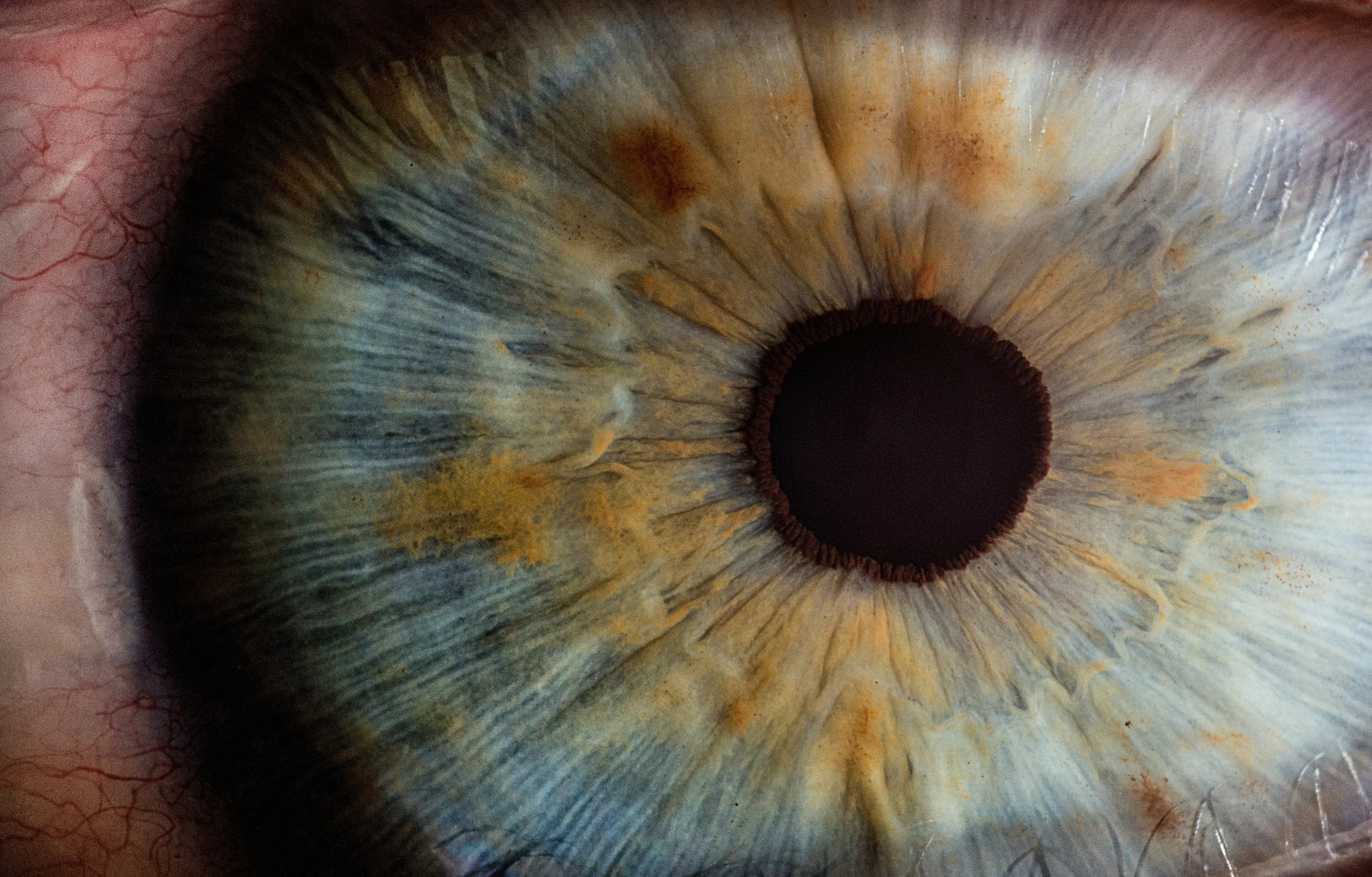
SIGHT
Processes color, light, and proportion in milliseconds - signaling safety or threat before a thought forms.
-
![A close-up of a person's ear with a holographic sticker shaped like an ear placed on the earlobe.]()
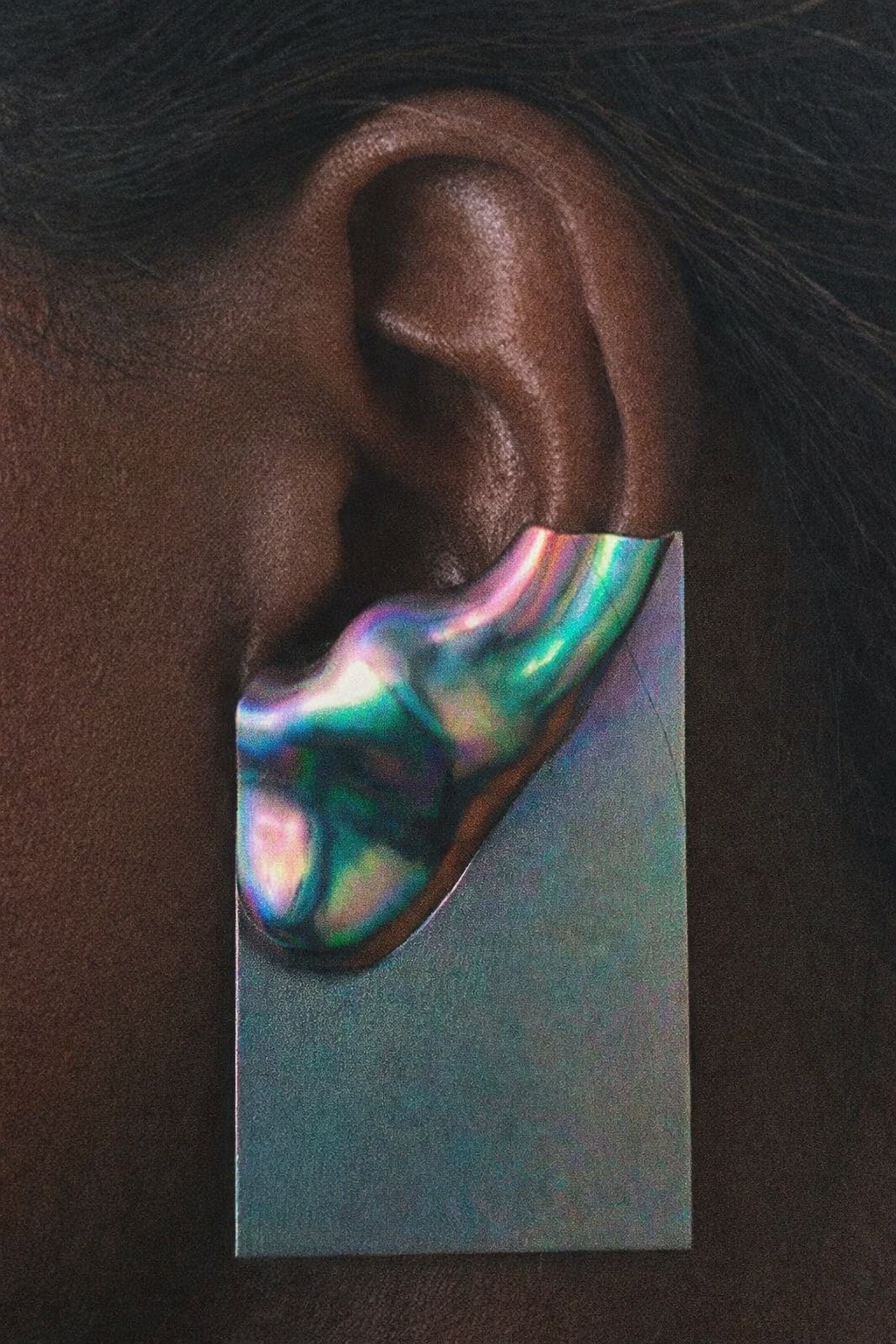
SOUND
Shapes how long people stay, how much they spend, and how they remember the experience afterward.
-
![Close-up of a green leather sofa with pillows and a person with brown hair sitting behind it.]()
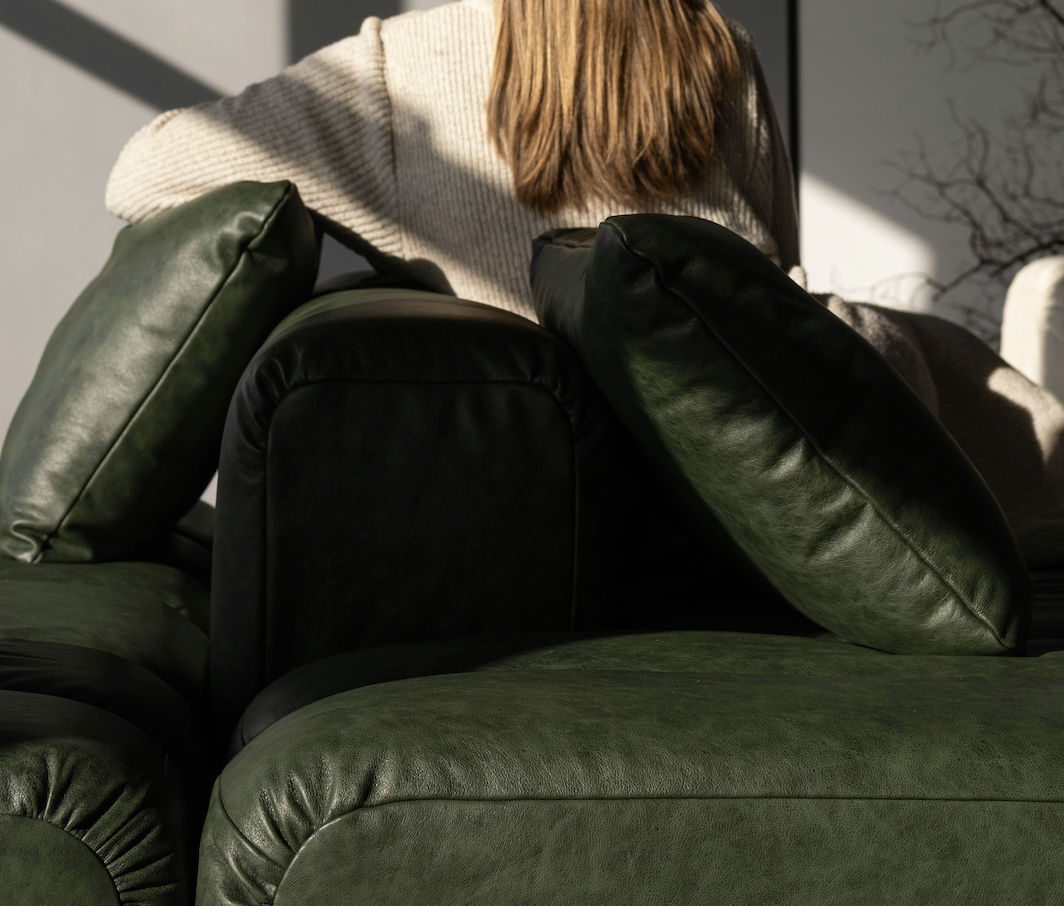
TOUCH
Communicates care, or its absence, through every surface a guest encounters - fabric, hardware, flooring, furniture.
-
![A floral arrangement with red, pink, and orange roses, small white flowers, and dark green leaves on a dark background.]()
SCENT
Bypasses the rational mind entirely, traveling directly to the limbic system - the seat of emotion, memory, and trust.
-
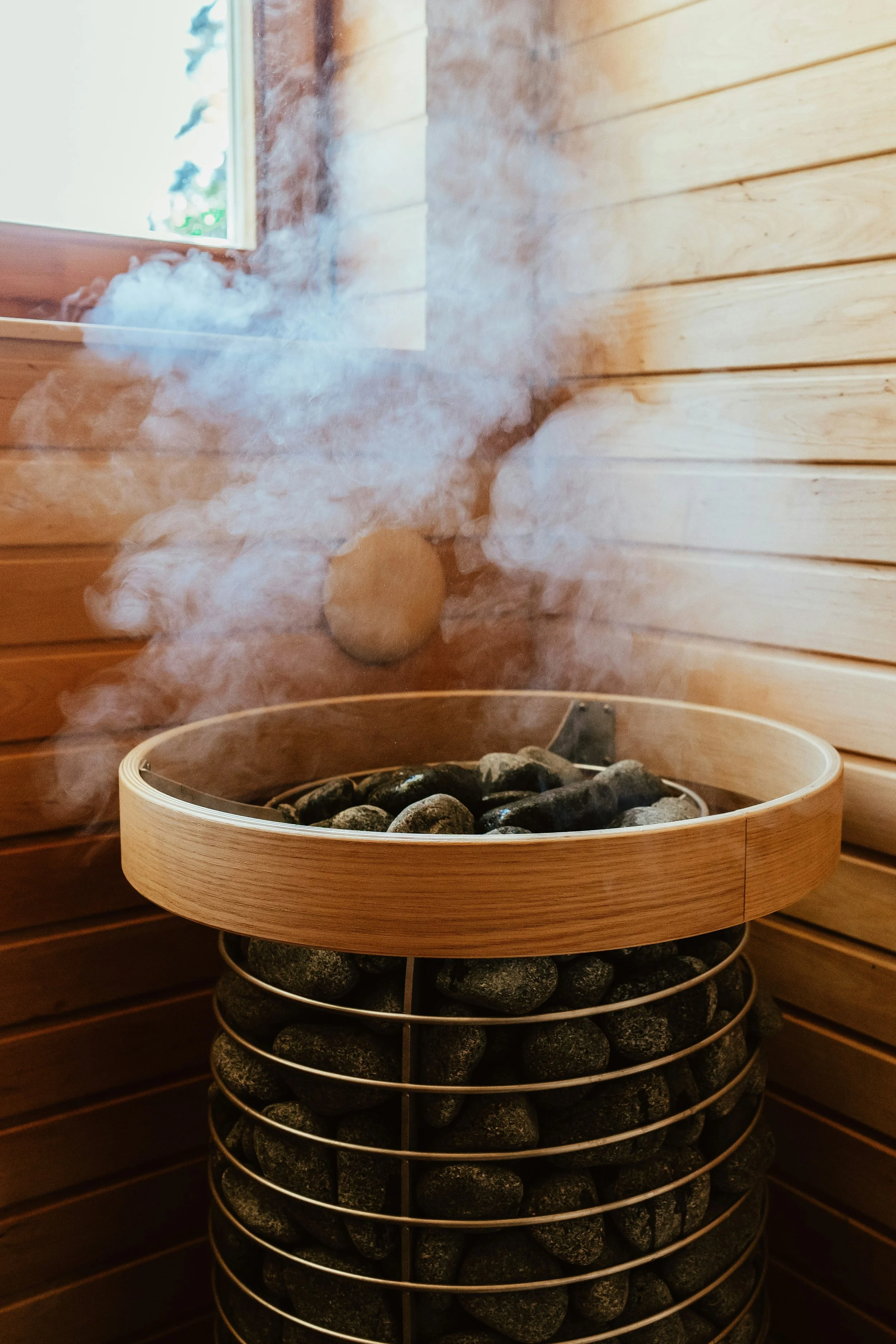
![A wooden sauna interior with a sauna heater filled with dark stones at the base, emitting steam through a vent near a window.]()
TEMPERATURE
Regulates whether the body reads an environment as welcome or threatening before the mind decides.

This isn't for every
business owner.
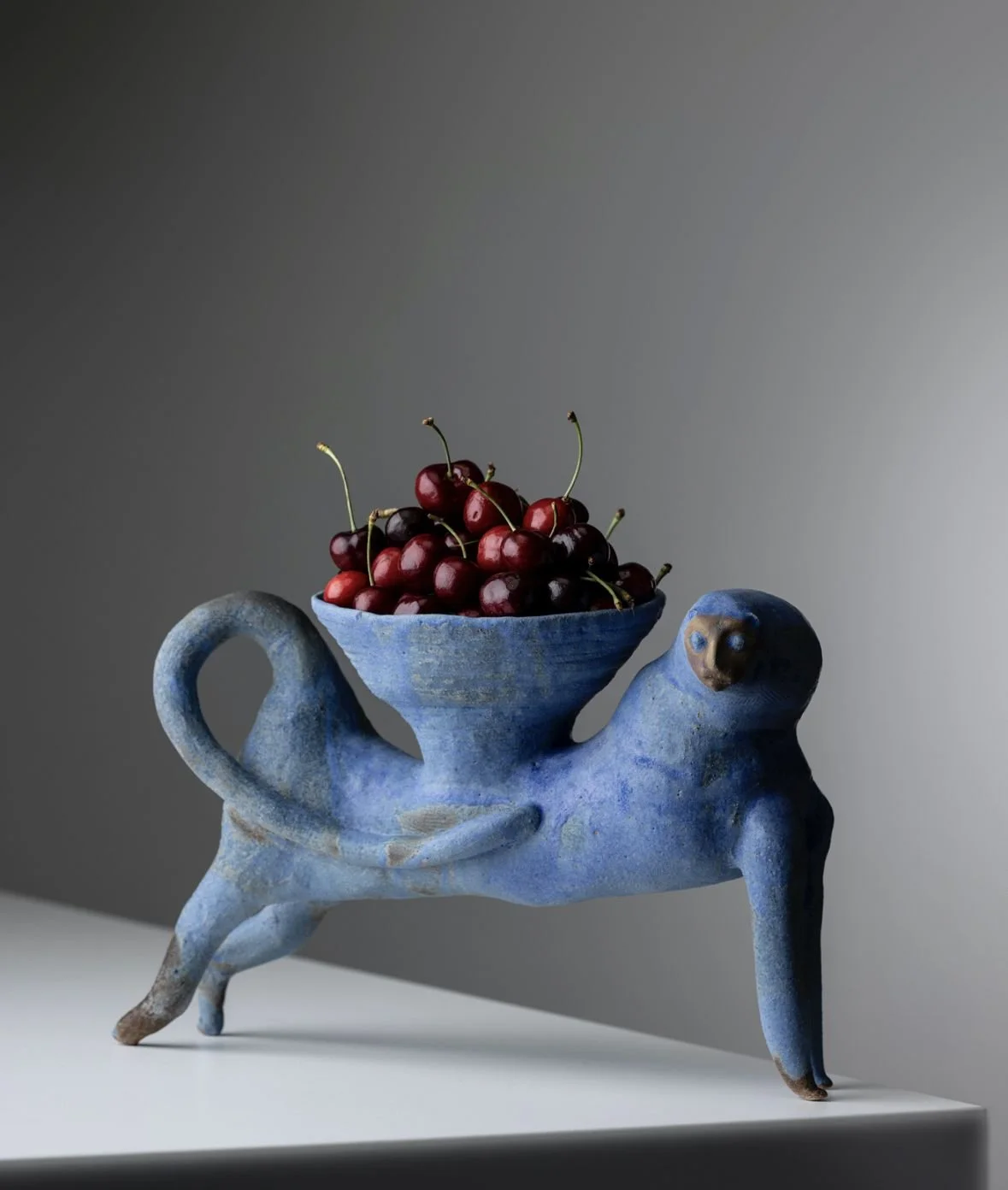
Ceramic Raku Monkey Bowl by Georgia Harvey, Melbourne, Australia.
If your space is already helping you command premium pricing, create rave-worthy experiences, support a happy team, and produce the results you want, this probably isn’t for you.
But if guests are leaving without rebooking, if reviews are “nice” but not rave-worthy, if your team shows up and you can feel the space working against them, or if you keep competing on price instead of commanding it, there is room for growth.
Your environment is already influencing the nervous system of everyone who walks in. The only question is whether it’s doing that by accident, or by design.
Design That Supports Everyone
Good design does more than make a space beautiful. It helps people feel better, work better, and want to come back.
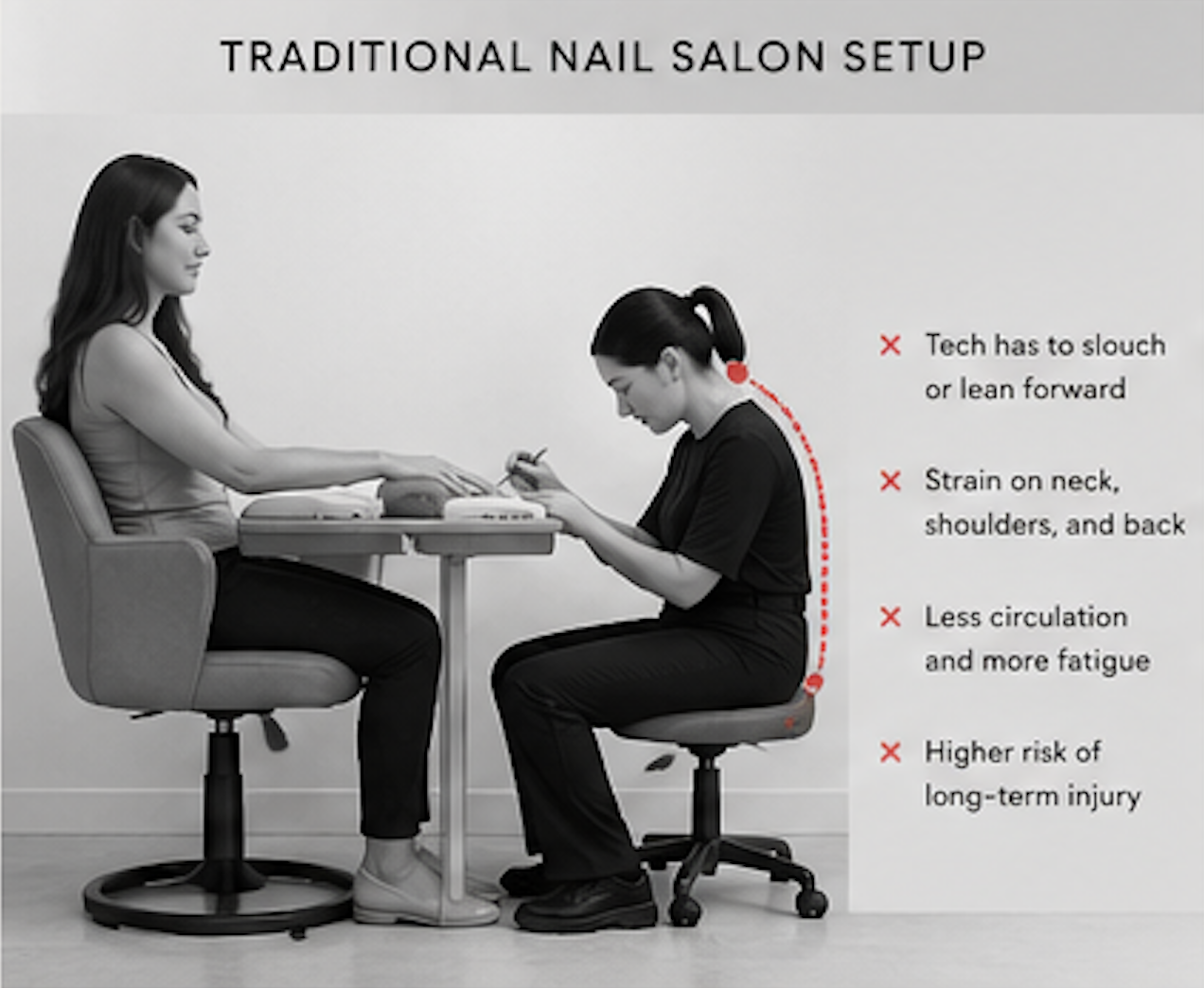
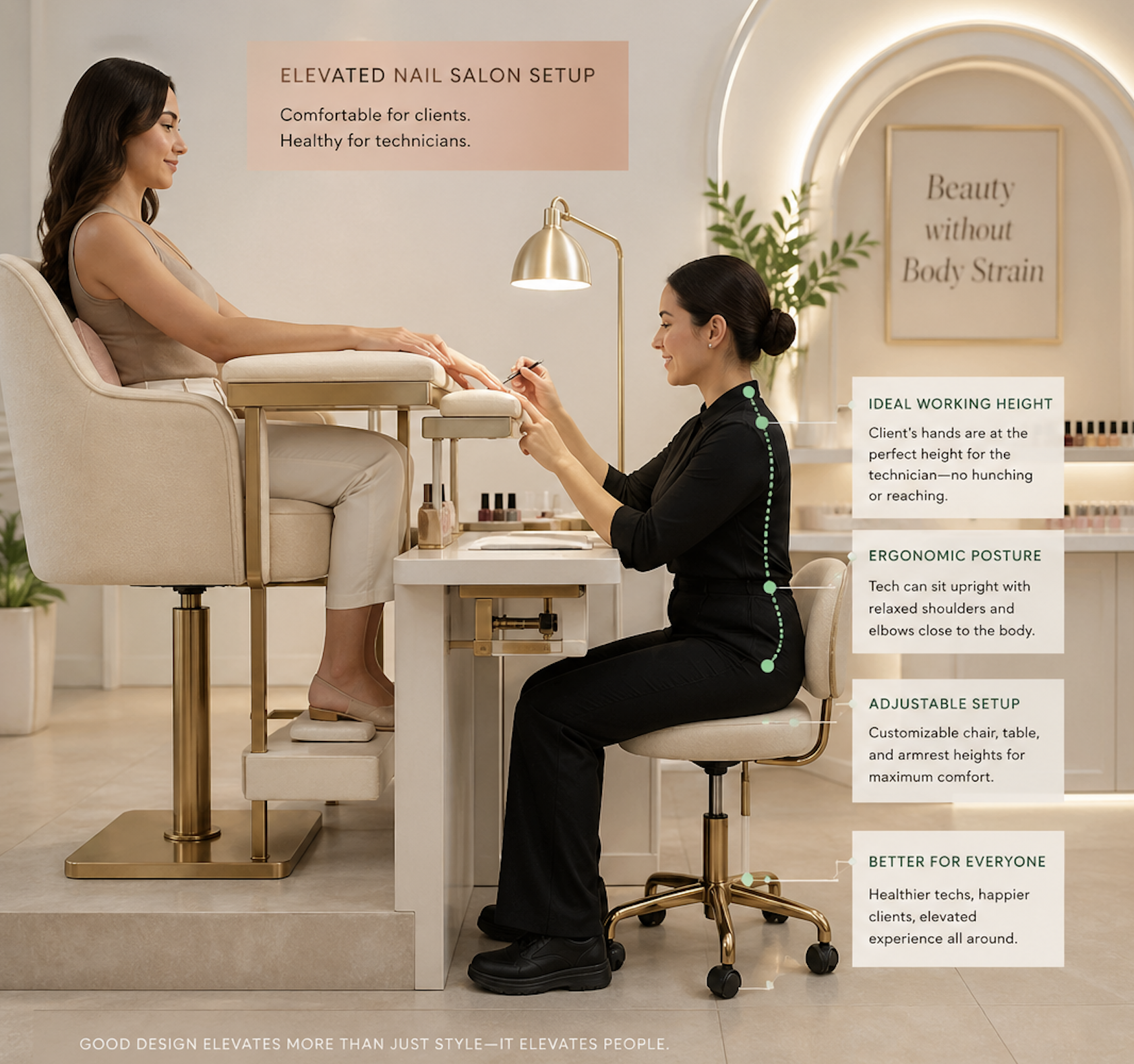
Before
After
Your space, elevated with nervous system design principles that people feel immediately.
When a space is designed with nervous system science as the foundation, something shifts in the business itself. Guests arrive and feel immediately at ease. They stay longer. They spend more. They tell people about it without being asked. And they can’t wait to come back.
Your team feels it too. They show up differently, stay longer, and bring their best work to a space that actually supports them.
This is design with a methodology behind it that works at deeper levels of human physiology.