Your space is already communicating. Find out exactly what it's saying.
Clear, personalized direction on how to improve the experience inside your business environment.
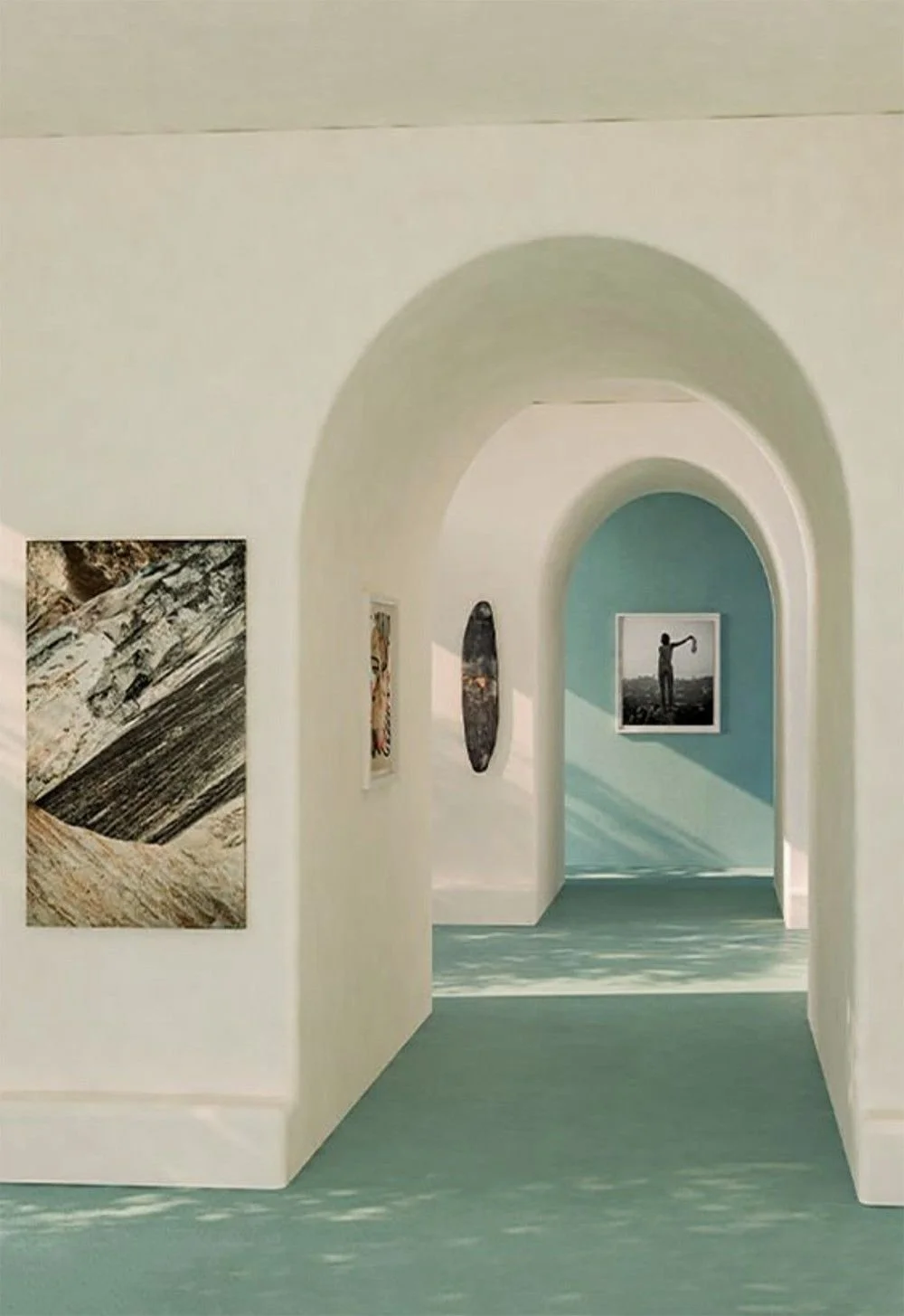

When a person enters your space, within milliseconds, their body has already registered whether the space feels safe or activating, thoughtful or careless, premium or forgettable.
What The Signature Audit Reveals
What your space is saying
The sensory signals your environment is sending the moment someone arrives and whether those signals are building trust, comfort, and perceived value or quietly working against them.
Where the experience breaks down
The moments in the client or guest experience where friction appears, trust drops, or the environment stops feeling as supportive and aligned as it should.
What is working and what is not
A clear understanding of which parts of the environment are supporting the experience and which parts are weakening it.
What to improve first
A clear, prioritized roadmap so you know what to address now, what can wait, and where to focus before spending more money.
Rooted in Nervous System Informed Design

The Signature Audit applies this lens directly to your business. Evaluating not just what your space looks like, but what it communicates, how it feels to move through it, and whether it's supporting or quietly undermining the experience your business is built to deliver.
What’s Inside The Signature Audit Report
-
Photo-Informed Space Review: A written diagnosis based on your submitted photos, room details, business goals, and client experience.
Overall Environment Summary: A clear read of what your space is communicating now, what is working, and what feels misaligned.
Main Opportunities: The highest-impact areas to improve before spending more money on design decisions.
Silent Saboteurs: The subtle design patterns quietly working against the experience, like harsh lighting, confusing flow, visual noise, cold materials, or sensory overwhelm.
-
Sight: How the visual environment is shaping comfort, trust, clarity, and perceived value.
Sound: How noise, silence, music, or acoustics may be supporting or disrupting the experience.
Scent: How smell may be influencing memory, comfort, and brand impression.
Touch: How texture, seating, materials, and physical comfort are affecting the space.
Temperature: How warmth, coolness, airflow, and comfort may be shaping how long people want to stay.
-
Client Journey and Experience: A read on where the experience feels strong, where it dips, and what may be quietly weakening the feeling your business is meant to create.
Silent Saboteurs: A direct callout of the subtle things working against the experience, such as clutter, harsh lighting, confusing layout, cold materials, visual noise, or sensory overwhelm.
-
What to Buy First: The pieces most likely to improve the experience.
What to Replace: The elements that may be working against trust, comfort, or perceived value.
What to Remove: The visual or sensory clutter that may be weakening the space.
What to Adjust: Smaller shifts that can create a stronger experience without a full redesign.
-
Room-by-Room Redesign Direction: Clear, personalized direction for how each space needs to shift to better support your brand, your clients, and the experience you want people to have.
Concept Narrative: The feeling and story each room should move toward.
Style Translation: How that direction can show up through color, texture, lighting, materials, and atmosphere.
-
Budget-Aware Roadmap: What to do now, next, and later.
Highest-Impact Changes: The updates most likely to improve the space first.
Staff + Back-of-House Notes: When relevant, the audit also considers how staff spaces and behind-the-scenes areas affect the overall environment.
HOW IT WORKS
-
![A person working on a laptop at a wooden table with a notebook, pen, and a cup of coffee.]()
1. COMPLETE THE GUIDED INTAKE
Set aside ~30 - 75 minutes to answer questions about your business, your space, and the experience you want people to have. The more details you provide, the better!
-
![Person taking a selfie with a yellow phone case, holding the phone with both hands. The person is wearing rings and a brown checkered blazer, against a plain gray background.]()
2. UPLOAD IMAGES OF UP TO 3 ROOMS
Share clear images so the audit can read the actual environment, not just your description. A phone camera can work perfectly.
-
![A hand wearing a lace glove holding a Business card with the text "The Signature Audit" against a dark background.]()
3. RECEIVE YOUR SIGNATURE AUDIT REPORT
Get a personalized diagnosis, redesign direction, and priority roadmap for what to improve first.
-
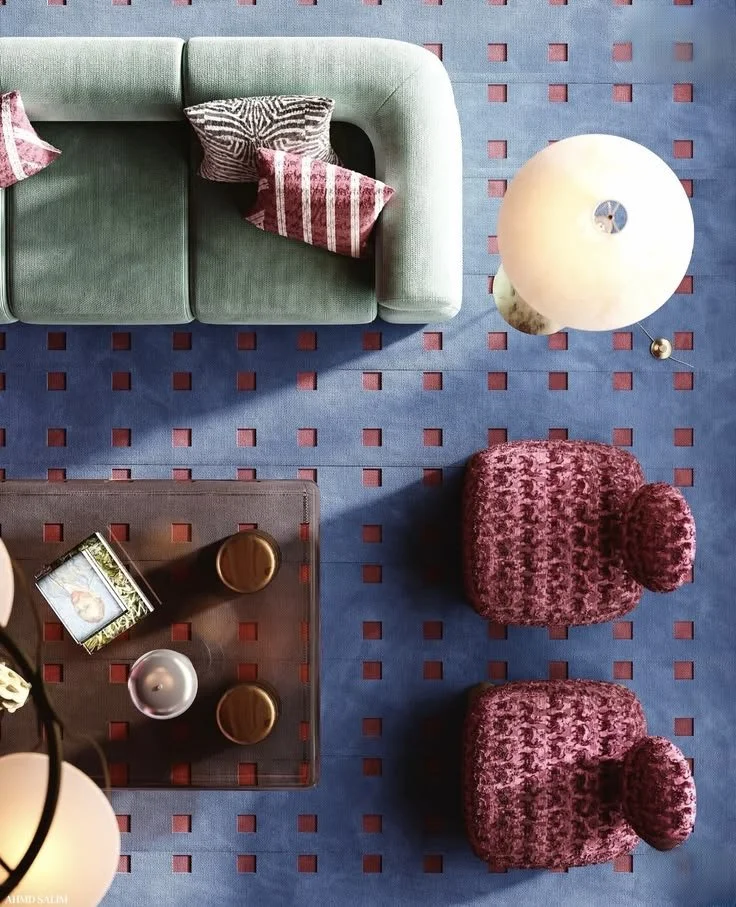
![Top-down view of a living room with a light green sofa, a round white table, two pink textured armchairs, and a square glass coffee table with candles and a framed picture, all on a blue carpet with red square accents.]()
4. BRING YOUR RECOMMENDATIONS TO LIFE
Use your report to make smarter design decisions, improve the experience inside your space, and support stronger reviews, return visits, and perceived value.



This Is For You If:
You own or operate a physical business where the environment directly shapes the client or guest experience.
Airbnbs, boutique hotels, restaurants, cafés, wellness studios, salons, spas, dental offices, doctors' offices, retail spaces, consulting practices, etc.
You've invested in the business, but sense the space isn't fully communicating the quality of what you offer.
You know something feels off, but you haven't had the language or the framework to name it clearly.
You're about to spend money on the space and want to make sure you're investing in the right things.
You want to stop guessing and start making decisions with real strategic clarity.
You don't need a full renovation. You need to know what actually matters.
Frequently Asked Questions
-
A traditional interior design engagement typically focuses on aesthetics and what the space looks like. This is built around how the space affects the felt experience of every person who enters it. The lens is nervous system-informed and commercially grounded. You're getting a strategic diagnosis of how your environment is performing as a business asset.
-
Looking fine and performing well are two different things. A space can be visually considered and still create subtle friction through acoustics, temperature, spatial flow, sensory inconsistency, or a disconnect between the environment and the brand promise. If clients aren't staying as long, returning as often, or responding as warmly as you'd expect, the space may be a factor. The “This is for you if” section can also help clarify whether you need this service.
-
Yes, and it may be most useful precisely because you don't have an unlimited budget. The audit tells you where to focus first. It prevents you from spending money on changes that won't move the needle, and directs your resources toward the highest-return improvements within your budget.
-
The audit is built to accommodate one to three client-facing rooms. You're not required to use all three. If your business is primarily one space, the audit works for that.
-
We’ve found that people take anywhere between 30 minutes and 2 hours, depending on the number of rooms you have and how thorough you are. Your answers are saved in your browser so you can take breaks as needed. :)
-
Because each audit is personalized and delivered digitally, all sales are final once your report has been delivered.
That said, if you fully implement the core recommendations and feel your space has not improved in experience, function, or business alignment, you may apply for a refund within 30 days of delivery. Refund requests must include before-and-after photos, a summary of what was implemented, and a description of what did not improve. Refunds are not available for recommendations that were not implemented, only partially implemented, or changed significantly from the original direction. For full details, see our Refund Policy.
-
The estimated value reflects the strategy, expert review, design direction, decision-making clarity, and potential cost of trying to figure this out alone. These audit is designed to help you avoid expensive design mistakes and make smarter choices about a space that shapes customer experience, perceived value, and business results.
-
The report is built entirely from your inputs: your business, your clients, your rooms, your goals, and your photos. The quality and specificity of the report reflects the quality and specificity of what you share. The more honest you are, the more useful the analysis.
-
Every report ends with priorities, next steps, and a clear way to take the work further with Fatima if you're ready.
-
Yes. You can technically use this method to evaluate any room, including a home, bedroom, office, or rental space.
That said, the Signature Audit was created for physical businesses, so the report is framed around client, guest, customer, or staff experience. If you use it for a personal space, you may still receive helpful insight into how the room feels, what it communicates, and what to improve first, but some business-focused language may not fully apply.